
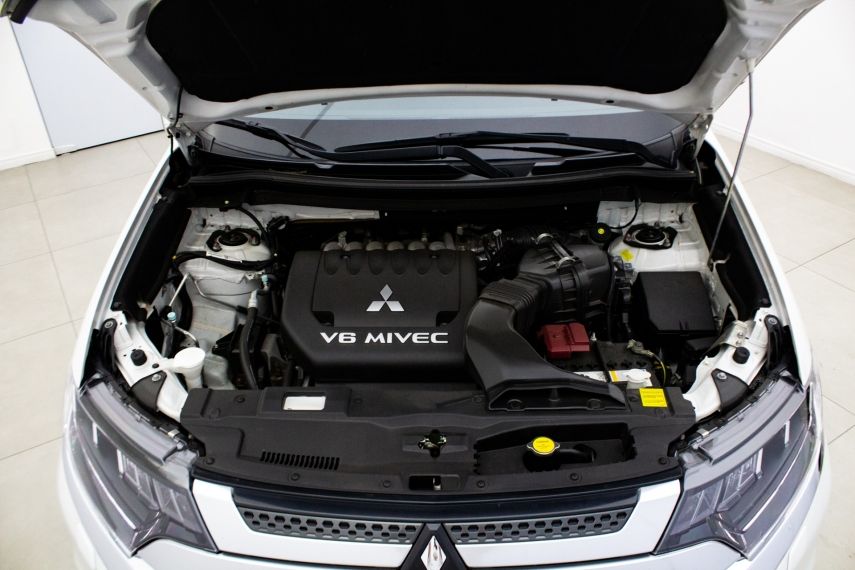
Keep Your Ride at Peak Performance -- Shop Mitsubishi Air Intake & Fuel Delivery Parts Online
Efficiency for the long haul. The power behind an adrenalized thrill-ride. Whether you want to fix the fuel system in your Mirage or upgrade the induction system in your Lancer, we've got the OEM parts to take you there.
Shop Air Intake & Fuel Delivery Categories
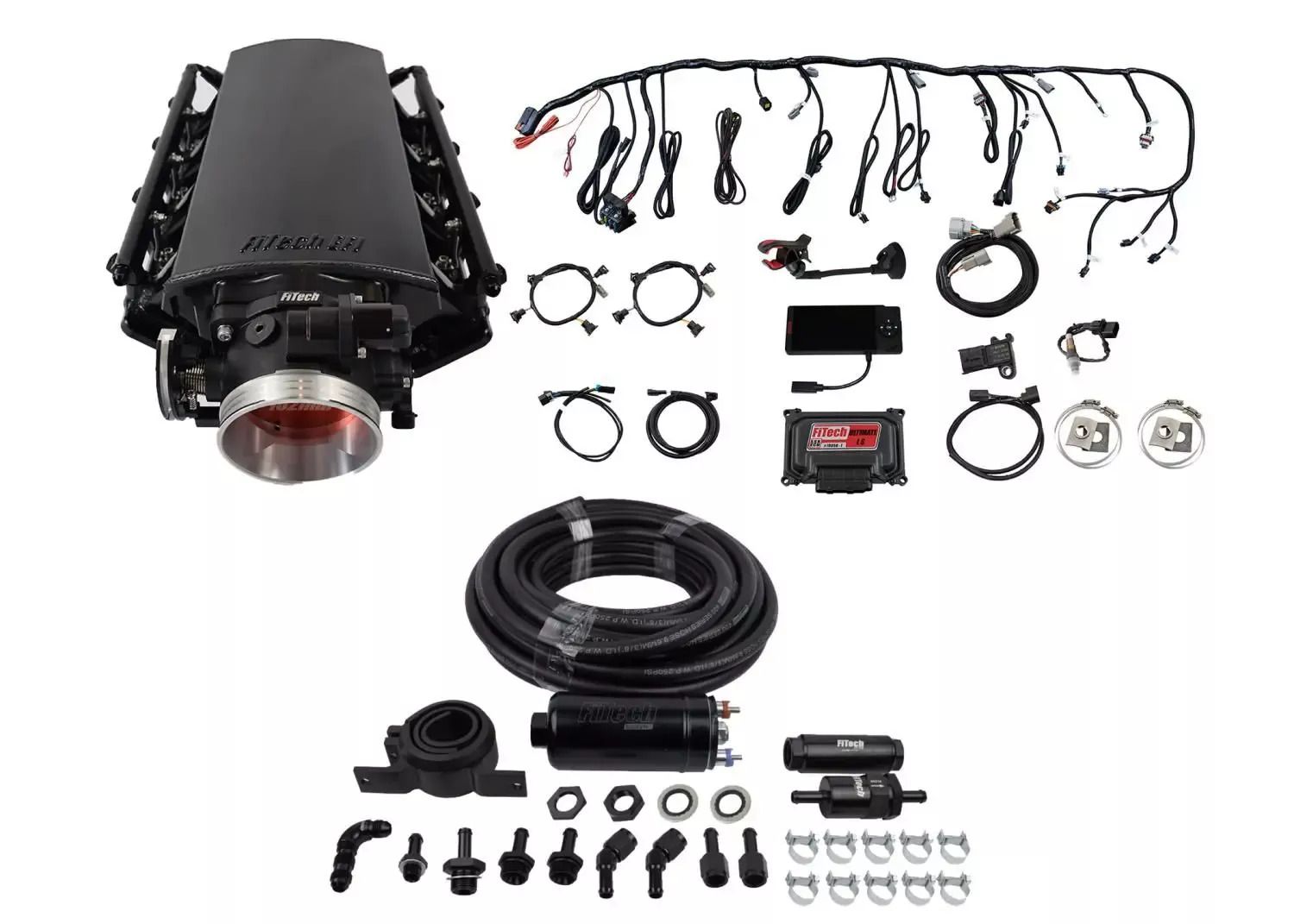
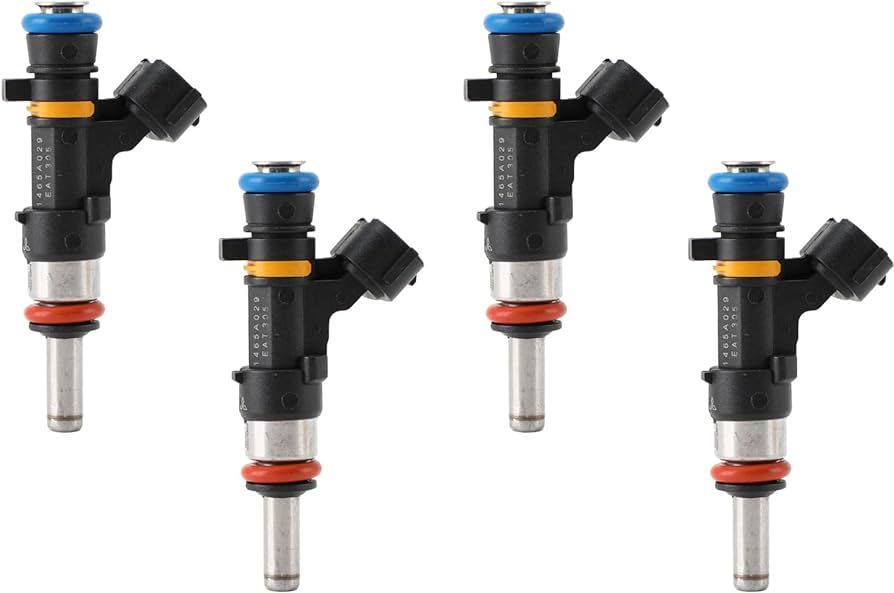
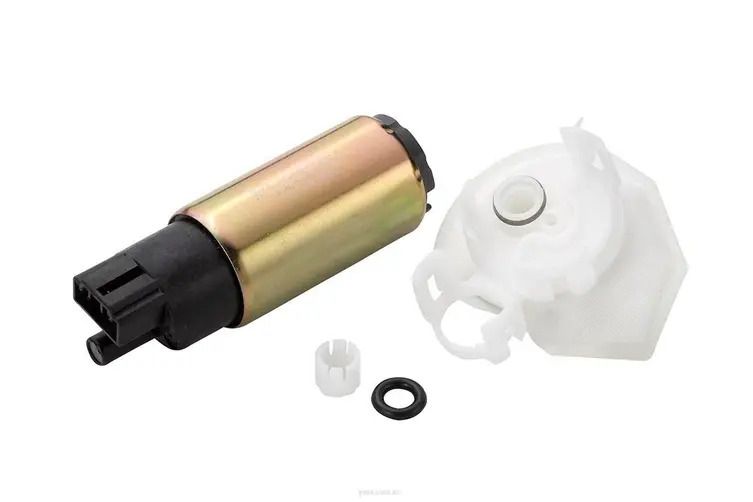
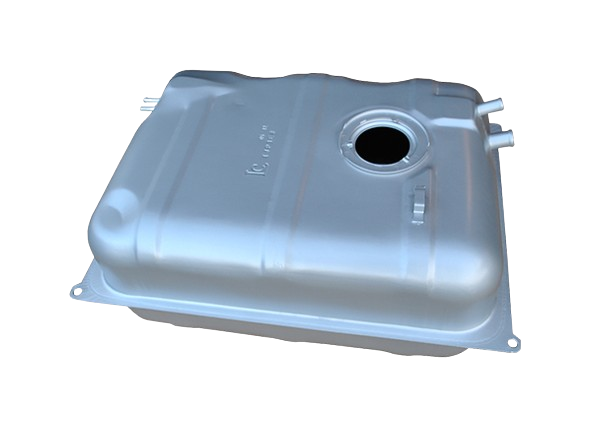
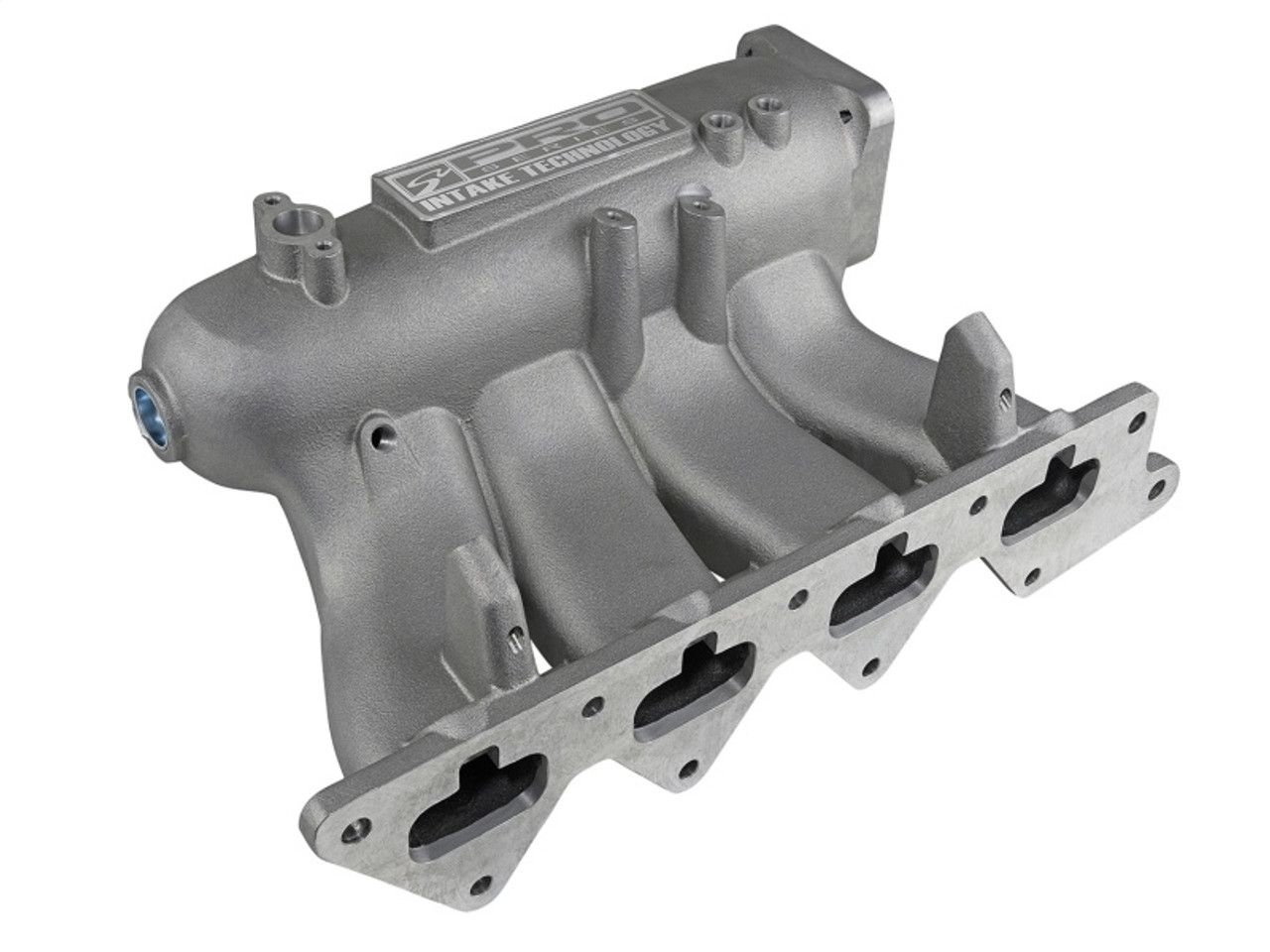
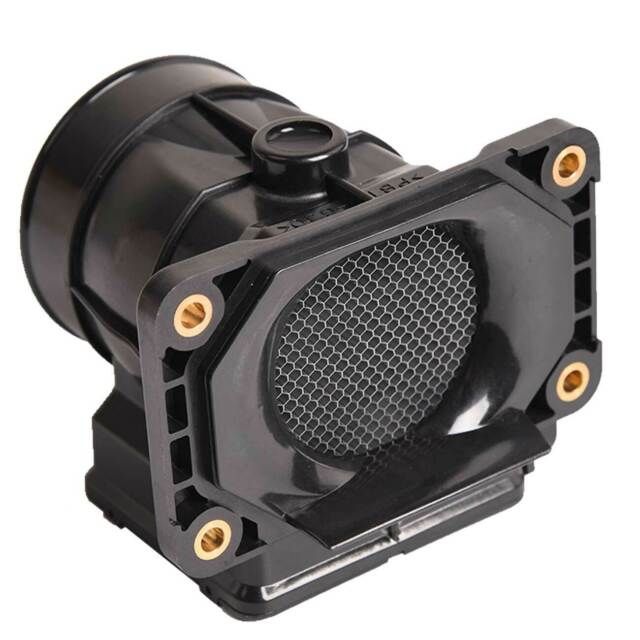
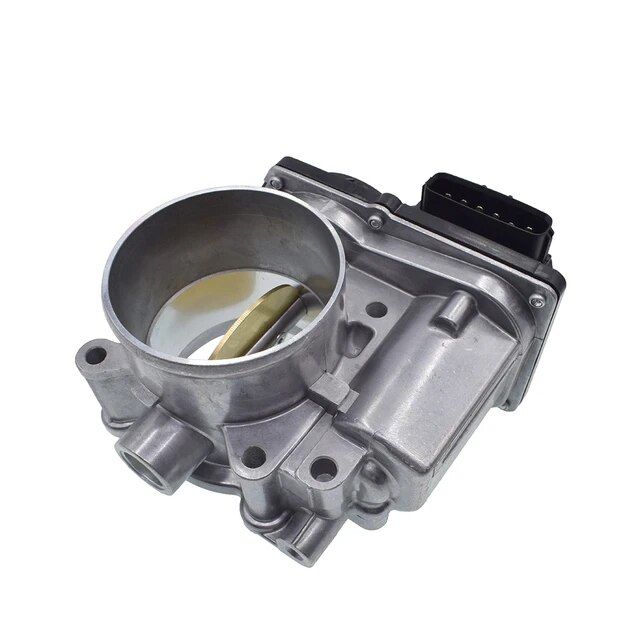
Highlighted Helpful Articles
-
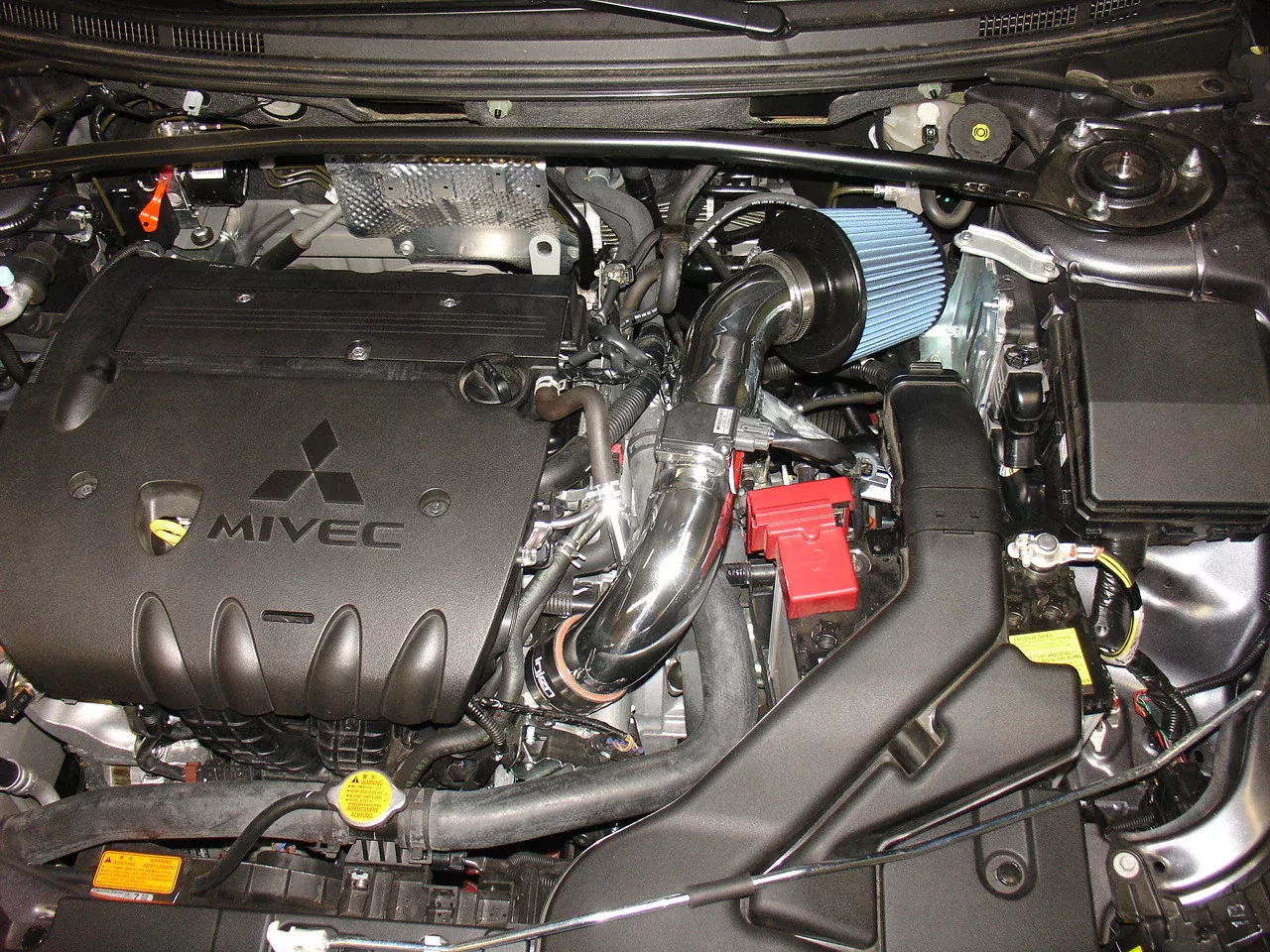
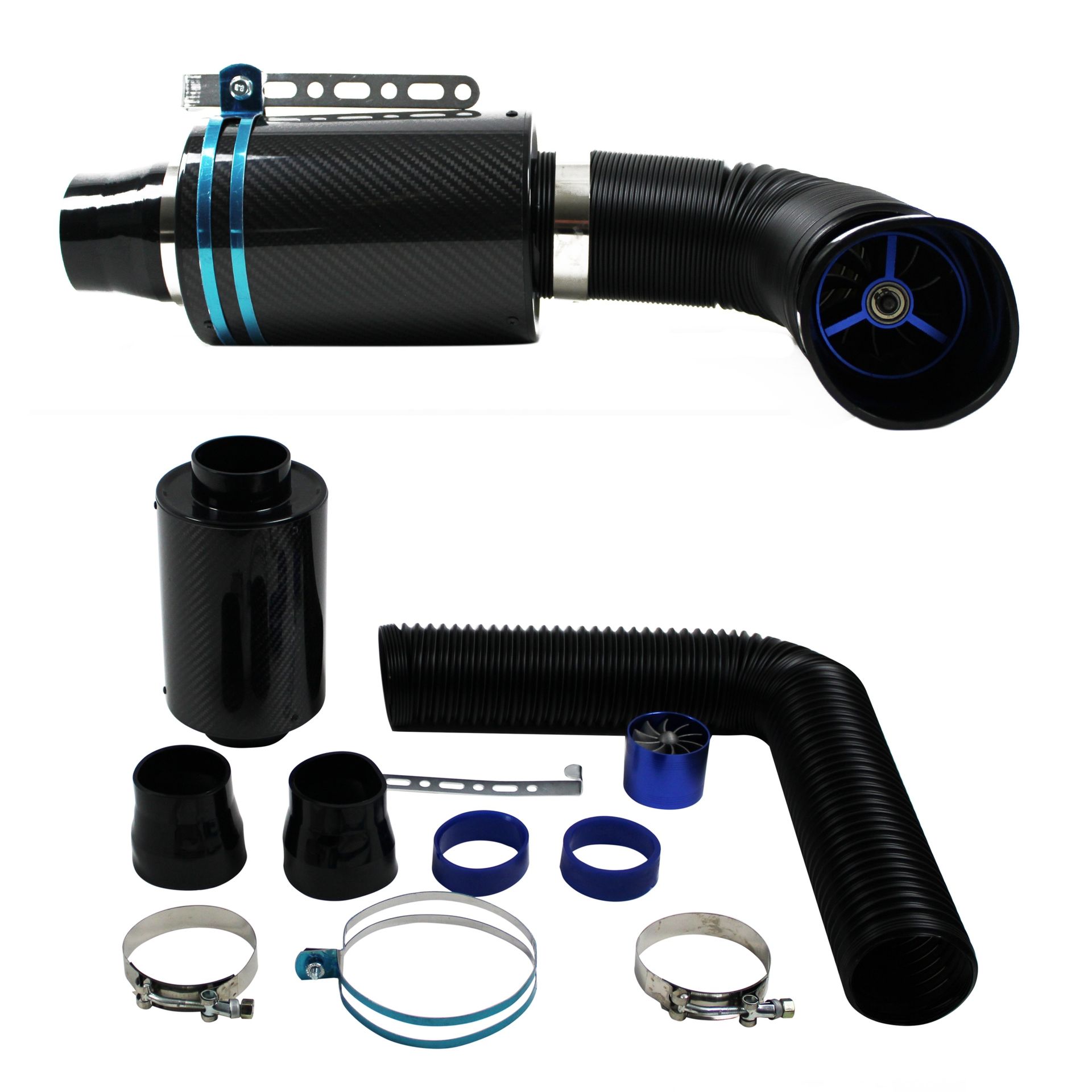
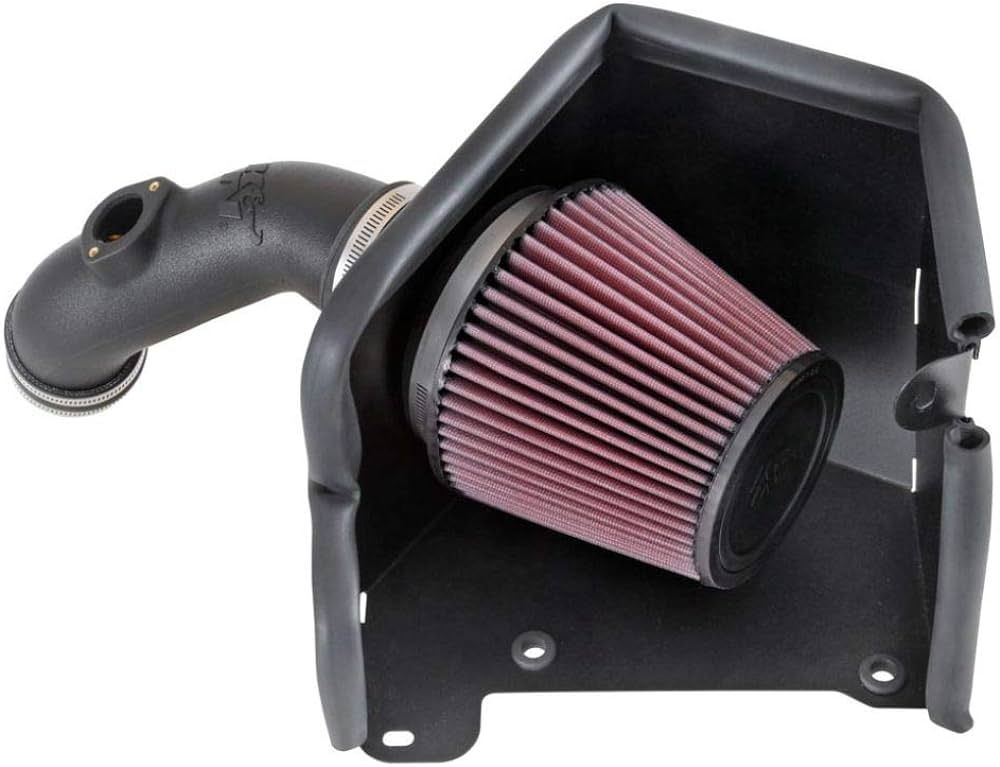
Optimizing Your Mitsubishi's Air Intake System
Discover strategies for enhancing your engine's air intake for better performance, including the benefits of upgrading air filters and intake manifolds.
-
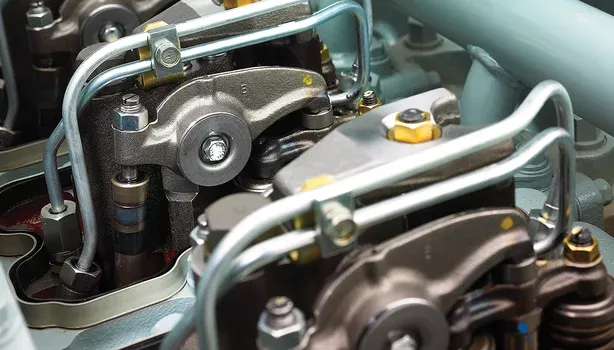
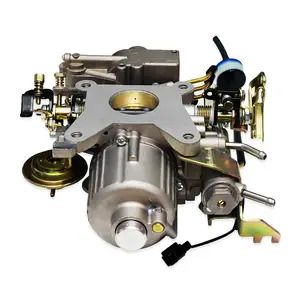
The Importance of Fuel System Maintenance
Learn how regular maintenance of your fuel delivery components can prevent common issues and extend the life of your engine.
-
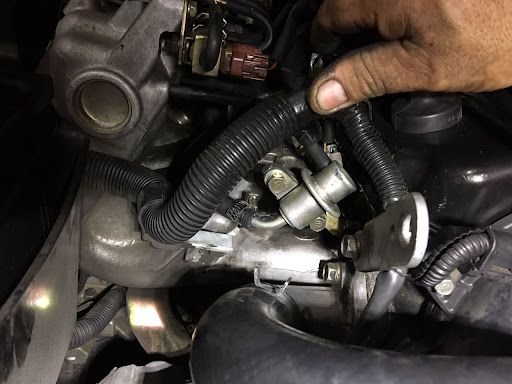
How to Improve Your Vehicle's Fuel Efficiency
Explore tips and modifications that can help improve your Mitsubishi's fuel economy, from oxygen sensor checks to fuel injector cleanings.
Why Buy Air Intake & Fuel Delivery Parts from Mitsubishi Motors?
-
Compatibility Assured
Carburetor to fuel filter, our fuel and intake system parts are genuine Mitsubishi -- guaranteed to fit your car or SUV and work right the first time.
-
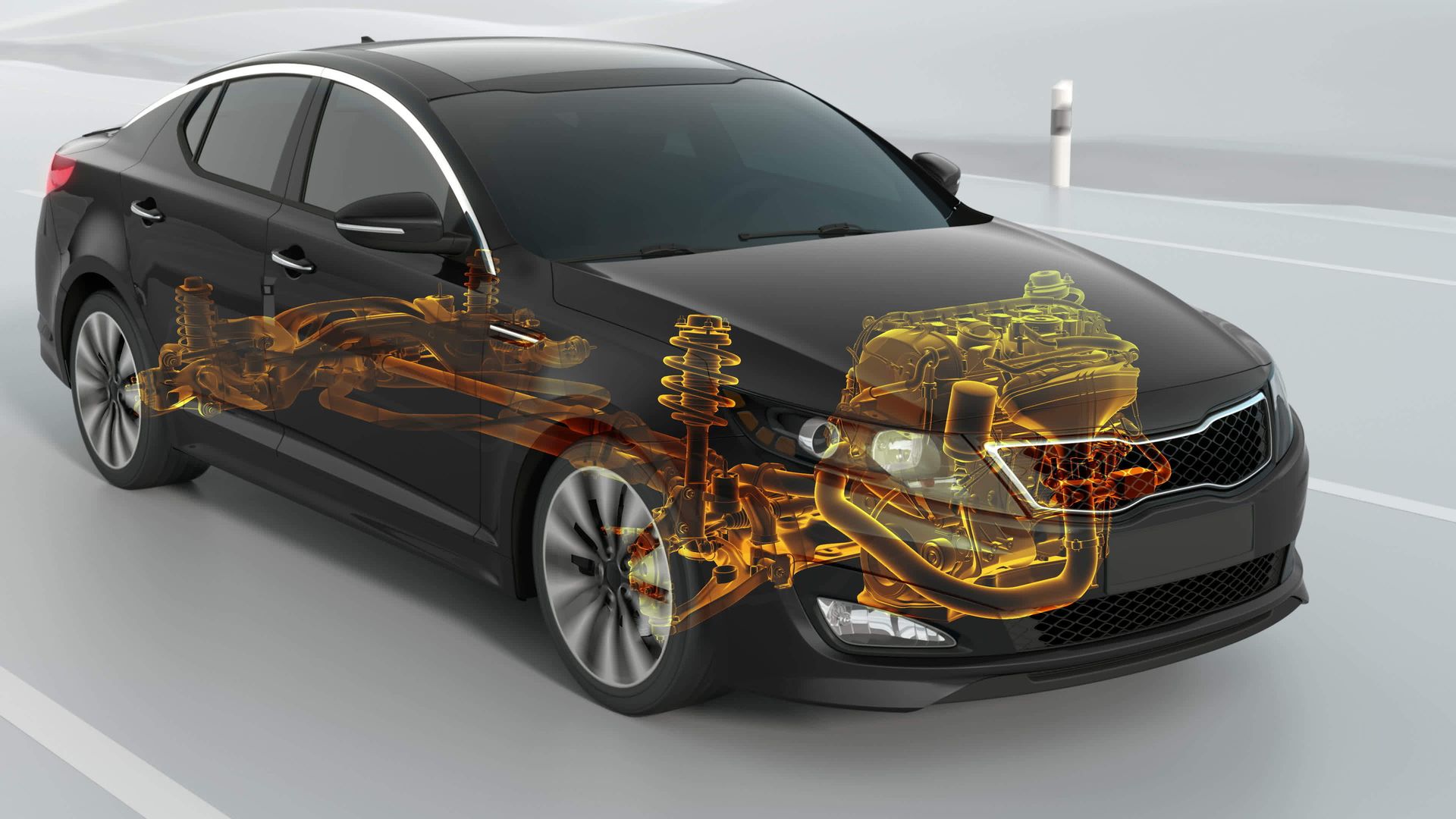
Quality That's Built to Last
Genuine Mitsubishi parts are already those you rely on -- OEM, precision engineered to your standards.
-
Support at Your Service
Need help finding an air intake part? Have a question about one for your fuel delivery system? Take advantage of our parts team's expertise. Just get in touch -- we're here to help.
-

Confidence, Warrantied
Genuine OEM fuel and air induction systems and their parts are warranty-backed. They won't void your factory warranty, either. Your investment's covered -- so, enjoy peace of mind.
Join Mitsubishi Motors Parts Rewards
Join to receive special offers, insights, and more.
FAQs About Air Intake & Fuel Systems
What are the symptoms of a faulty fuel system?
You'll have trouble starting your Mitsubishi, the engine will sputter and randomly surge, it'll stall, and you'll suddenly lose power (especially if you're towing or driving uphill). You may also notice fuel economy getting worse or hear a whining noise coming from the gas tank, and the temperature gauge on your dash may read hot. The trouble could be anything from the engine air filter in the air intake to the fuel injectors, mass airflow sensor, fuel pump, or another part of the fuel system.
How can I tell if my fuel injectors are bad?
Upon inspection, either they'll seem clogged (and cleaning them out won't fix them) or they'll be found to be leaking. Either way, you'll know from the fuel system having trouble getting gas to the combustion chamber.
What are the signs my mass airflow sensor is failing?
The engine may idle roughly, hesitate, stall, or otherwise not run right. The car may also jerk when speeding up, and the Check Engine light may show up on the dash.
How often should I replace my engine air filter?
That depends on the kind of driving you do, and where; things like highway driving vs. off-roading and a temperate climate vs. severe weather factor in. Either way, inspect the engine filter annually, every 15,000 miles or so; if you find it's dirty, damaged, or worn, and a Check Engine light's come on the dash, it's probably time to change it. Otherwise, do so either when you see signs that the filter's bad -- things like engine misfires and power loss, trouble speeding up, worsening fuel economy, and black smoke coming out of the exhaust -- or every two years or 30,000 miles at most. Check your owner's manual for more specifics.