
OEM Mitsubishi Batteries
availability
Pickup only
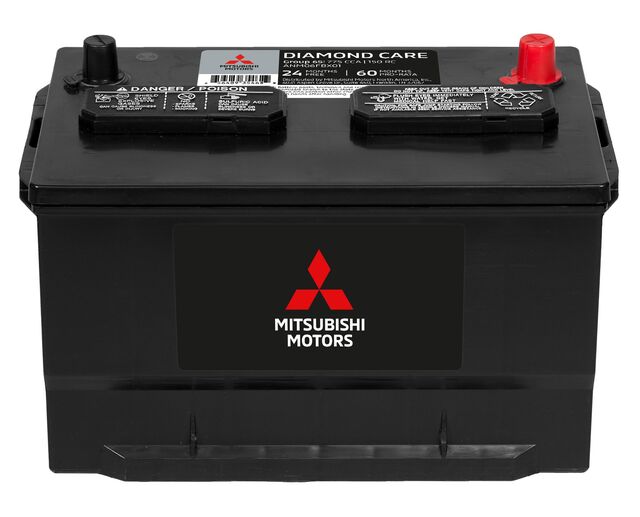
Pickup only
Battery, Group 65, 775CCA
Mitsubishi
ANM06FBX01
BATTERY,GROUP 65,775CCA
MSRP $265.00
Pickup only
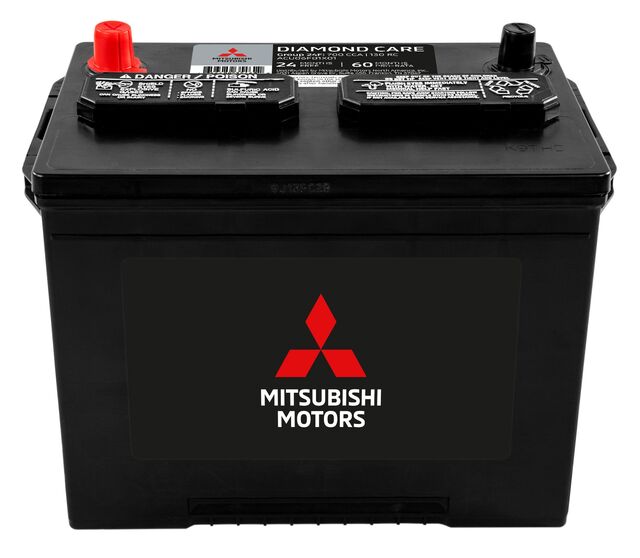
Pickup only
Battery, Group 24F, 60MO,
Mitsubishi
ACU06FB1X01
BATTERY,GROUP 24F,60MO,
MSRP $235.00
Pickup only

Pickup only
Battery, Group 51R, 60MO
Mitsubishi
A997FB1X01
BATTERY,GROUP 51R,60MO.
MSRP $232.00
Pickup only
Pickup only
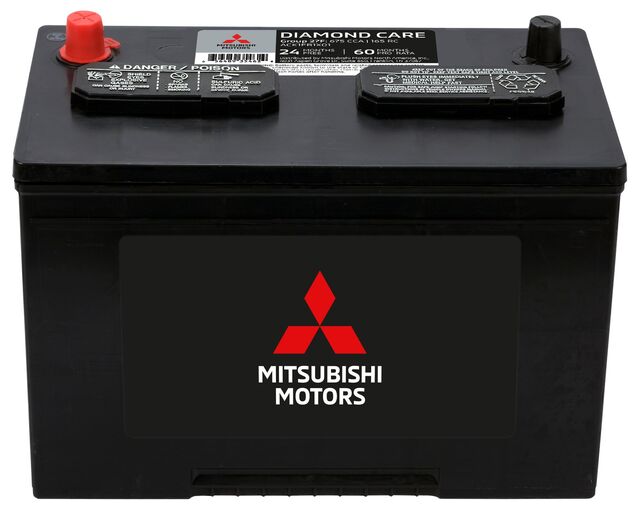
Pickup only
Battery, Group 27, 60MO
Mitsubishi
ACK1FB1X01
BATTERY,GROUP 27,60MO
MSRP $235.00
Pickup only
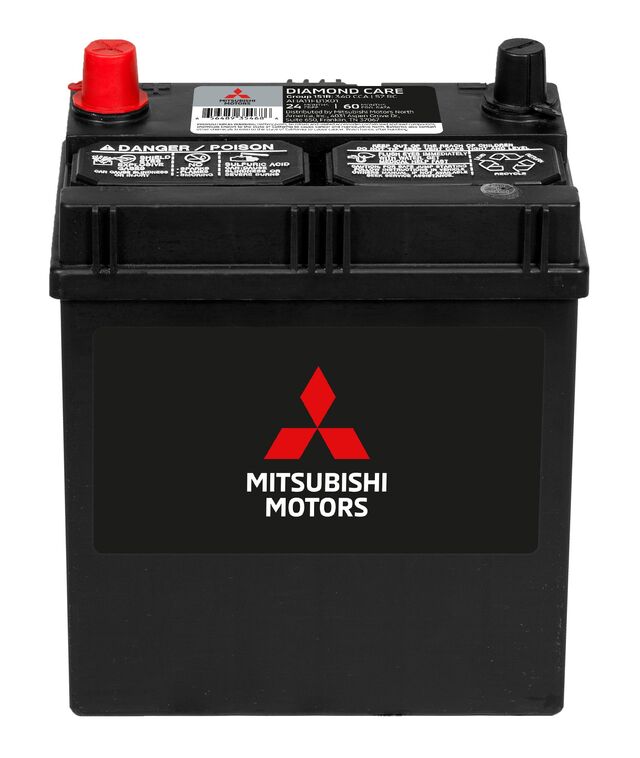
Pickup only
Battery, Group 151R, CC37
Mitsubishi
AHA11FB1X01
BATTERY,GROUP 151R,CC37
MSRP $285.00
No results found for "A993FB1X02, A993FB5X02, A993FB5X03, A993FB5X04, A995FB1X01, A997FB1X01, ACK1FB1X01, ACU06FB1X01, AHA11FB1X01, ALE08FB1X01, AMG8FB1X01, AMM9FB1X01, ANM06FBX01, ARE17FB1X01, MZ094517, MZ691138". Here are some helpful search tips:
- Search by a part name. Example: water pump.
- Be less specific. Example: brake instead of ceramic brake.
- Remove information such as make, year or model.
- Can't find the part you are looking for? Contact us and we'll find it for you!
Choose the Right Battery for Reliable Starting
Your vehicle's vital systems work tirelessly to keep you moving. Regular maintenance is key to ensuring their longevity and efficiency. Batteries provide the electrical energy needed to start your engine and power accessories when the vehicle isn't running. This rechargeable power source stores chemical energy and converts it to electrical current on demand. Without a functioning battery, your Mitsubishi vehicle cannot start or maintain electrical systems during operation. The battery works alongside the alternator to keep all electrical components functioning properly.
Battery Function and Electrical Storage
Car batteries use lead plates submerged in sulfuric acid electrolyte to store energy. When you turn the ignition key, the battery releases stored power to the starter motor. This burst of electricity cranks the engine until it starts running. Once running, the alternator takes over electrical production and recharges the battery. The battery continues supplying power to electronics when electrical demand exceeds alternator output. Modern batteries in vehicles like the Mitsubishi Eclipse and Mitsubishi Galant typically produce 12.6 volts when fully charged.
Why Batteries Lose Capacity and Fail
Batteries degrade through chemical reactions that occur during charging and discharging cycles. Sulfation builds up on lead plates when batteries remain in a discharged state, reducing capacity. Extreme temperatures accelerate chemical breakdown inside the battery case. Heat causes electrolyte evaporation and plate warping. Cold weather reduces the chemical reaction rate, lowering available power. Vibration from driving loosens internal connections. Parasitic electrical draws from accessories slowly drain batteries when vehicles sit unused for extended periods. Corroded terminals create resistance that prevents proper charging.
Determining Battery Replacement Timing
Replace batteries when starting becomes difficult or requires multiple attempts. Most batteries last three to five years depending on climate and usage patterns. Load testing reveals actual capacity versus rated specifications. Swollen or cracked cases indicate internal failure. Genuine Mitsubishi batteries provide reliable cold cranking amps and exact fitment compared to universal aftermarket batteries that may lack sufficient power reserves. Empower your DIY projects or professional repairs with Mitsubishi Motors of North America's reliable product range.